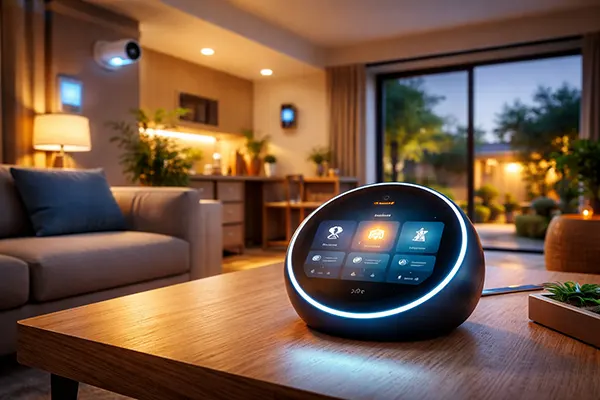
Smart homes have evolved rapidly over the past decade. Early systems focused on individual devices such as smart bulbs or connected thermostats, often controlled through separate apps. By 2026, the concept of a central home hub has changed significantly. Manufacturers now aim to combine security monitoring, lighting control, climate management and household energy data within a single system. This shift reflects both technological progress and the growing demand for efficient homes that are easier to manage and more transparent in terms of energy consumption.
The Evolution of Home Automation Hubs
The first generation of smart home hubs appeared in the mid-2010s. Devices such as Samsung SmartThings Hub and Amazon Echo Plus introduced the idea of controlling multiple devices from one central controller. However, compatibility limitations often forced homeowners to choose products from a single ecosystem, which reduced flexibility and slowed widespread adoption.
By the early 2020s, industry cooperation began to improve interoperability. The launch of the Matter standard in 2022, supported by Apple, Google, Amazon and other technology companies, became a turning point. Matter allowed smart devices from different manufacturers to communicate using a shared protocol, reducing fragmentation and making centralised hubs more practical.
In 2026, modern home hubs act less like simple controllers and more like intelligent management systems. They integrate local processing, cloud connectivity and AI-based automation. This allows the hub to analyse behaviour patterns, adjust lighting and heating automatically, and respond to security events without requiring constant manual interaction.
Hardware and Connectivity Behind Modern Hubs
Today’s hubs rely on a combination of wireless standards to communicate with devices throughout the home. Common technologies include Wi-Fi for high-bandwidth devices, Zigbee and Thread for low-power sensors, and Bluetooth Low Energy for proximity detection and small accessories.
Thread networks have gained particular attention since they provide low-latency communication and self-healing mesh networking. If one node fails, data automatically reroutes through another device. This improves reliability, which is essential when security systems or climate controls depend on constant connectivity.
Another important development is the shift towards local processing. Many hubs now perform automation tasks directly on the device instead of sending every command to cloud servers. This reduces response times and improves privacy by keeping sensitive data, such as camera triggers or door lock activity, inside the home network.
Combining Security, Lighting and Climate Control
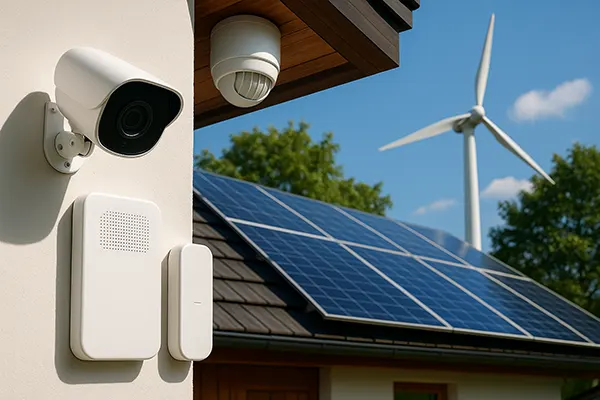
One of the most noticeable changes in modern hubs is their ability to coordinate multiple systems simultaneously. Security cameras, motion detectors and smart locks can interact with lighting systems so that exterior lights activate automatically when movement is detected at night.
Climate systems are also becoming more responsive. Instead of relying only on thermostat schedules, hubs collect data from occupancy sensors, window contacts and air quality monitors. This allows heating or cooling to adapt to real-time conditions inside the home rather than fixed timetables.
Manufacturers such as Google Nest, Apple HomeKit ecosystem partners and several European smart energy companies now integrate environmental monitoring with automation rules. For example, if indoor air quality sensors detect rising CO₂ levels, the hub can trigger ventilation systems while adjusting heating settings to maintain efficiency.
Automation Scenarios That Improve Daily Life
Practical automation scenarios are where modern hubs show their value. A common example is the “leaving home” routine. When residents exit the house, the hub can lock doors, turn off lights, reduce heating output and activate security cameras in a single action.
Another example involves night-time safety. Motion sensors connected to hallway lighting can activate dim lights automatically if someone walks through the house after midnight. This reduces energy use while still providing visibility without disturbing other residents.
Advanced systems even integrate weather data. If the forecast predicts a drop in outdoor temperature, the hub can pre-heat the home gradually during off-peak energy hours. This strategy helps maintain comfort while avoiding sudden energy spikes during peak demand periods.
Energy Management and the Role of Smart Grids
Energy monitoring has become a key function of modern home hubs. As electricity prices fluctuate and renewable energy adoption grows, households increasingly need tools that show where power is being used and how it can be managed more efficiently.
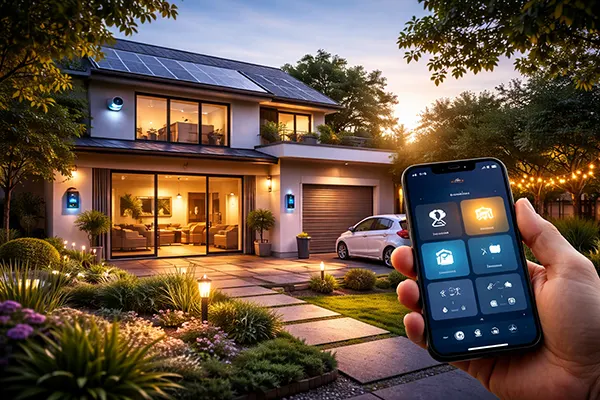
Many hubs now integrate with smart meters and solar installations. Homeowners can see real-time consumption data, battery storage levels and solar generation statistics directly from the hub interface. This makes it easier to decide when to run energy-intensive appliances such as washing machines or electric vehicle chargers.
In several European countries, home hubs are beginning to interact with smart grid systems. These systems allow electricity providers to offer dynamic pricing, encouraging households to shift energy use to times when renewable generation is abundant.
Challenges That Still Limit Full Integration
Despite rapid progress, several challenges remain. Device compatibility is still not perfect, even with Matter support. Some manufacturers implement only partial features of the standard, which can limit automation capabilities or require additional configuration.
Privacy concerns also play an important role. Home hubs often collect detailed information about household routines, including movement patterns and energy usage. Ensuring that this data remains secure and under user control is essential for maintaining trust in connected home systems.
Finally, long-term support and software updates are critical. Smart homes rely heavily on ongoing updates to maintain security and compatibility. Without consistent support from manufacturers, even advanced hubs risk becoming outdated within a few years. For this reason, experts recommend choosing ecosystems with a strong track record of updates and open device compatibility.