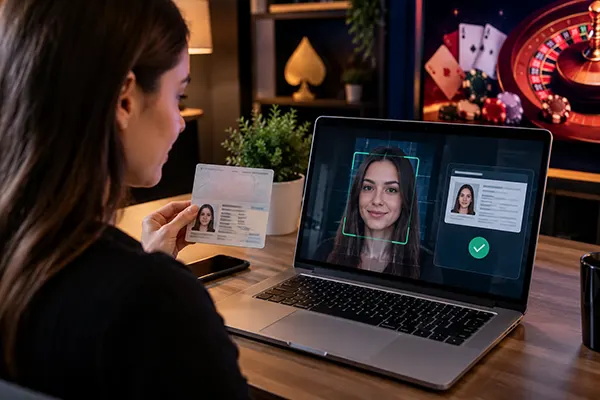
Online casinos still need to know who is using an account, but identity checks have become harder. A passport photo and selfie can look convincing even when parts have been created or altered with AI. In 2026, KYC therefore relies on several checks rather than one image or document alone.
Why Casinos Need More Than a Selfie
KYC, or Know Your Customer, is the process used to confirm a player’s identity. Depending on the country and operator, a customer may provide personal details, an identity document and sometimes a photo or camera check. The aim is to show that the account belongs to a real person and that the details make sense together.
This matters on casino sites where users create personal accounts before playing. NolimitWay casino focuses on slots, live casino and table games, including roulette, blackjack, poker and keno. Account security and identity checks therefore belong in this context, but exact verification steps should come from the site’s current rules.
The difficulty is that false identities can now look far more believable. A synthetic identity may mix real personal information with invented details, while AI can create realistic faces or alter video. A convincing image is therefore no longer enough to prove that the person behind an account is genuine.
How Casinos Check a Person Is Present
A camera check can help show that a real person is present instead of someone using a photograph. A customer may be asked to move their head or follow a short instruction, while other checks look for signs that the image comes from a live camera rather than a saved recording or static picture.
The face shown during the check may also be compared with the portrait on an identity document. A mismatch does not automatically mean fraud. An older passport photo, poor lighting, glasses or a weak phone camera can all make a genuine customer appear different from the document image, so context still matters.
Casinos therefore need more than one clue before deciding that something is wrong. If the first check is unclear, a player may be asked for another image, a different document or a repeat attempt. When necessary, the information can also be reviewed by a person before a final decision is made.

Synthetic Identities Are Hard to Spot
A stolen identity belongs to a real person, while a synthetic identity is built from a mixture of real and false information. A genuine name may be combined with another address, changed document details or an artificial face, so some parts can look correct even when the whole identity is false.
This is why online casinos compare several pieces of information instead of relying on one document. A player’s name, date of birth, address and identity evidence should fit together and support the same person. If important details conflict, the account may need further checks before normal use can continue.
The issue matters more in 2026 because false documents, deepfake video and AI-generated face swaps are now part of the fraud risks faced by remote gambling businesses. This does not mean every customer faces difficult checks, but operators need to be more careful when information appears unusual.
What Players Should Expect in 2026
For most people, KYC remains a routine part of opening or using an online-casino account. A player may enter accurate personal details, provide an accepted identity document and complete an extra check if more evidence is required. In many cases, the process is completed without unusual steps.
Verification should also allow for ordinary mistakes and technical problems. A camera check may fail because of lighting, image quality or an outdated photograph, not only because someone is hiding their identity. A second attempt or another document can therefore be a normal part of the review.
The main change in 2026 is that a face on screen cannot be treated as proof on its own. Good KYC considers the person, documents and account details together to see whether they form one credible identity. For legitimate players, the goal is still a clear process that protects the account without unnecessary difficulty.